Change the filter before the deep cold hits
During a cold snap your furnace barely stops running, so a restricted filter does the most damage exactly when you can least afford a breakdown. A fresh filter protects airflow and helps the furnace keep up.
Keep airflow clear
- Open and unblock supply and return vents — don't close vents in unused rooms during extreme cold.
- Make sure furniture, rugs, and storage aren't covering returns.
- Check that the furnace area itself is clear and the intake/exhaust vents outside are free of snow and ice.
Protect your pipes
Pipes on exterior walls and in unheated spaces are most at risk. Open cabinet doors under sinks on cold-wall plumbing to let warm air in, keep the house at a steady temperature rather than dropping it overnight, and let a vulnerable faucet drip during the worst of it. Know where your main water shutoff is before you need it.
Check the exterior vents during snow
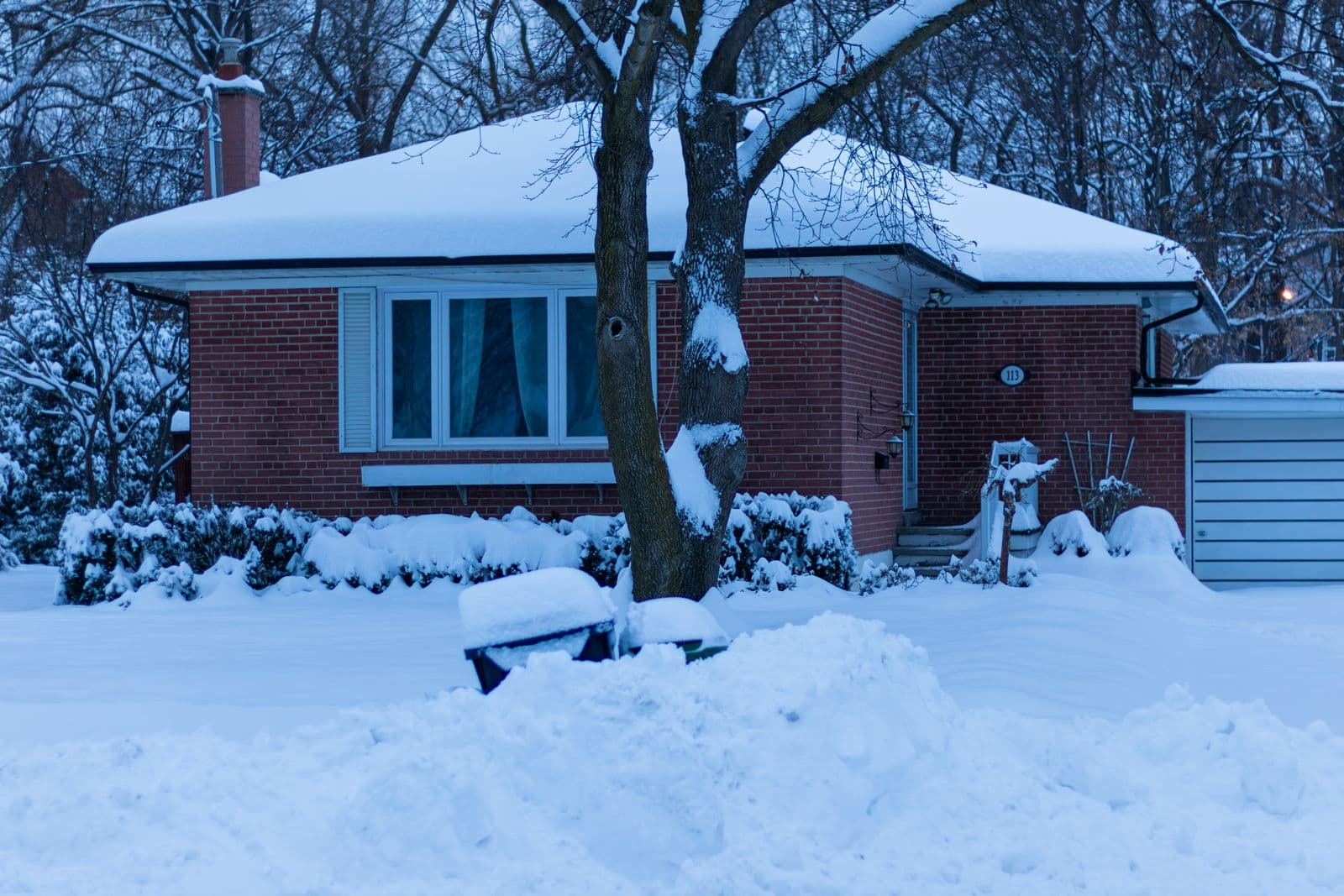
High-efficiency furnaces vent through PVC pipes on the side of the house. If snow or ice blocks the intake or exhaust, the furnace can shut down on a safety. After heavy snow or drifting, make sure those pipes are clear — it's a common, avoidable no-heat cause.
Know when it's an emergency
No heat in a deep freeze isn't something to ride out for days — there's a real risk of frozen pipes and home damage. If your furnace is fully down during extreme cold, that's exactly what our 24/7 emergency line is for. If it's running but acting up (short cycling, odd noises), get it looked at before the next cold front rather than after a failure.