1. A clogged air filter
This is the most common cause, and the easiest to rule out. A dirty filter chokes airflow, the furnace overheats, and a safety limit shuts it down before it can finish a cycle. If you can't remember the last time you changed your filter, start there — it's the cheapest possible fix.
2. An overheating limit switch
If airflow is restricted (dirty filter, blocked vents, a failing blower), the high-limit switch trips to protect the furnace. It will keep tripping until the airflow problem is solved. Repeated limit trips are the furnace protecting itself — not a part you want to bypass.
3. A dirty or failing flame sensor
The flame sensor confirms the burners actually lit. When it's coated in residue or failing, it can't confirm the flame, so the furnace shuts the gas off as a safety response — then tries again. Cleaning or replacing the sensor is a routine fix when it's the culprit.
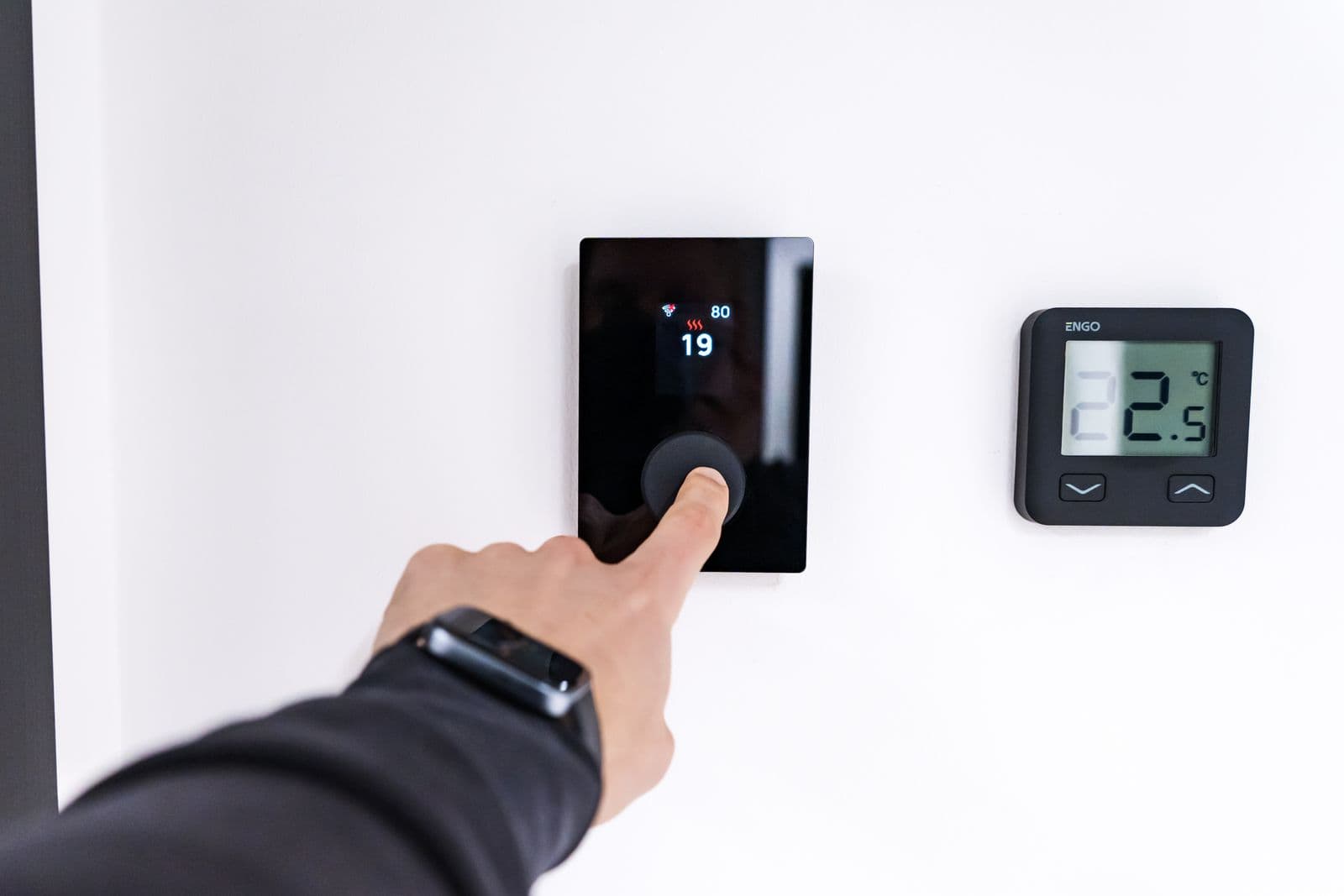
4. A thermostat problem or bad location
A thermostat mounted in direct sun, near a supply vent, or simply failing can misread the room and cut cycles short. So can wiring issues. It's worth confirming the thermostat is reading the home accurately before chasing parts inside the furnace.
5. An oversized furnace
A furnace that's too large for the home blasts it up to temperature fast, satisfies the thermostat, and shuts off — then repeats. This one usually traces back to the original installation and sizing. It's why we size replacements to the actual home rather than just matching the old unit's badge.
What's safe to check vs. when to call
Change the filter and make sure your supply and return vents are open and unblocked — those are homeowner-safe. Anything involving the flame sensor, limit switch, gas, or the blower should be diagnosed by a technician. If your furnace is short cycling in the cold, don't let it run that way for days; it's wearing parts and may be tripping a safety for a reason.