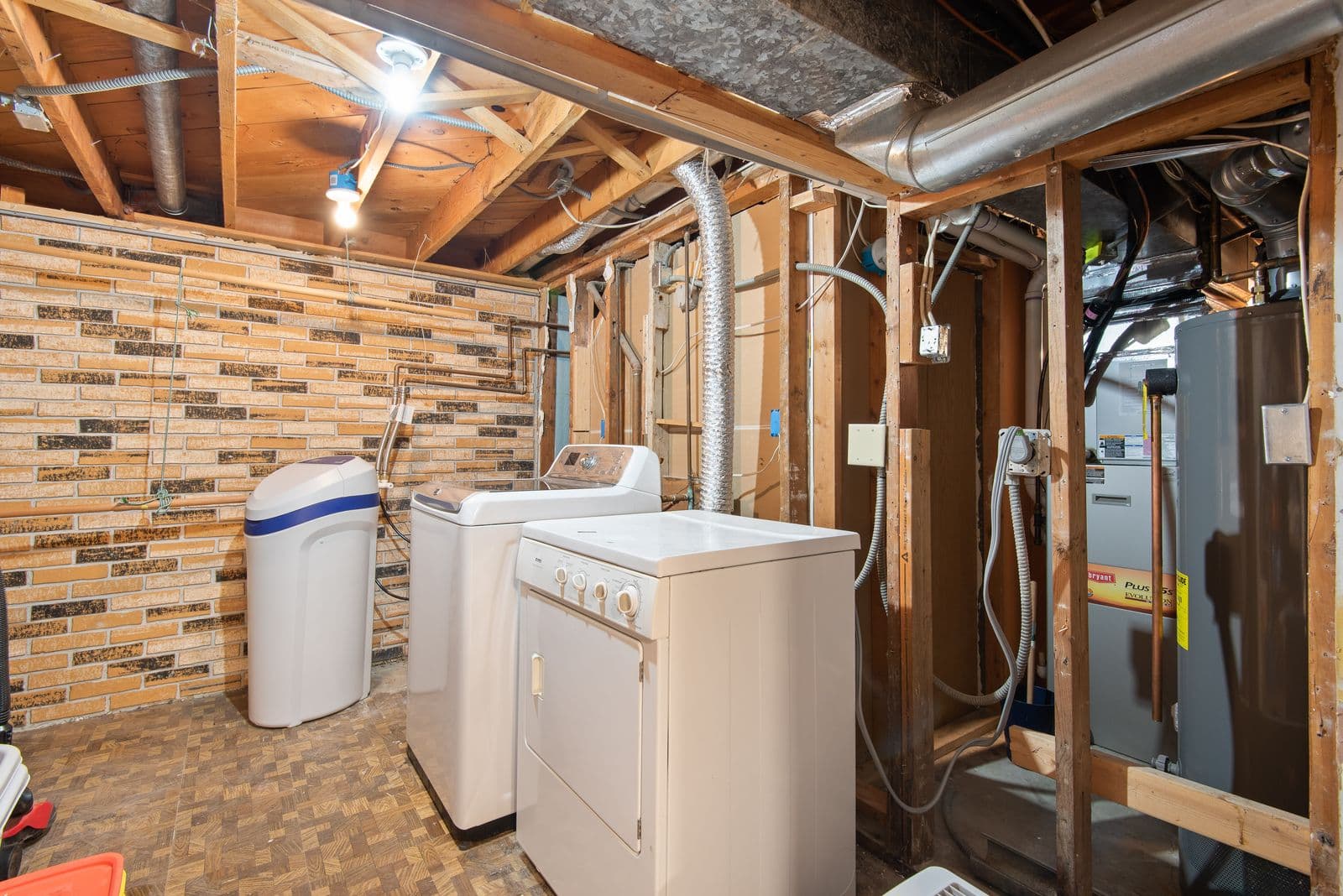
1. The tank is past 10–12 years old
A typical residential tank lasts about 8–12 years. If yours is in that range — check the serial number for the manufacture date — start budgeting, especially if any of the signs below are showing up too.
2. Rusty or discoloured hot water
If the hot tap runs rusty but the cold runs clear, the corrosion is likely inside the tank. Once a steel tank starts rusting from the inside, a leak is a matter of time.
3. Popping, rumbling, or banging sounds
Sediment builds up on the bottom of the tank over the years. When the burner heats through that layer, you get popping and rumbling. It also makes the tank work harder and lose efficiency — and it's a sign the tank is near the end of its service life.
4. Not enough hot water, or it runs out fast
If showers turn lukewarm faster than they used to, sediment or a failing heating element/burner may be the cause. Sometimes it's repairable; on an older tank, it's often the first sign it's wearing out.
5. Moisture, drips, or pooling around the base
Any water around the bottom of the tank deserves attention now. A small weep can become a full failure quickly, and a tank failure in a finished basement is an expensive mess. If you see pooling, don't wait.
6. You're repairing it repeatedly
A new thermocouple or element on a mid-life tank can be worth it. Repeated repairs on an old tank usually aren't — that money is better put toward a new tank, or toward stepping up to a tankless system if it fits your home and hot-water demand.